
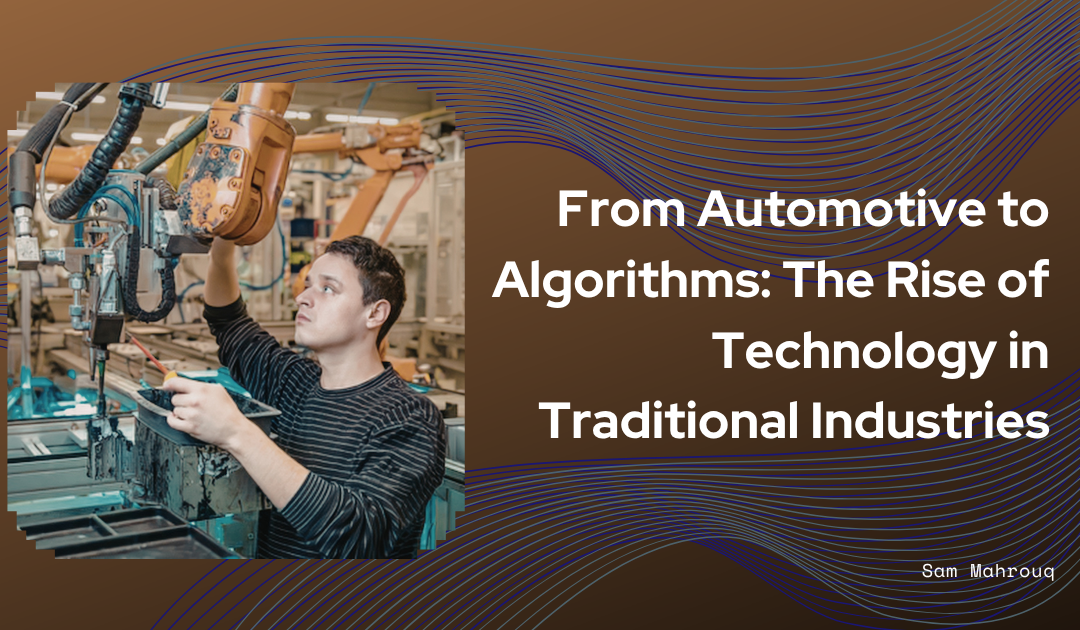
The integration of technology into traditional industries is reshaping the way businesses operate. Sectors that once relied on manual processes and established practices are now being transformed by data, automation, and digital connectivity. The shift from automotive to algorithms represents a broader trend—one where technology becomes the backbone of innovation and growth.
The Digital Transformation of Legacy Industries
Traditional industries such as automotive, manufacturing, and retail have long been defined by physical assets and operational efficiency. However, the rise of digital technology has introduced new ways to create value.
In the automotive sector, for instance, technology has enabled advancements in telematics, connected vehicles, and digital customer engagement. These innovations are not only improving efficiency but also enhancing the overall customer experience.
Digital transformation involves more than adopting new tools—it requires a fundamental shift in how businesses think and operate. Companies must move from static processes to dynamic systems that can adapt to changing conditions.
The Role of Data and Automation
At the heart of this transformation is data. Businesses now have access to vast amounts of information that can be used to optimize operations, predict trends, and improve decision-making.
Automation complements this by streamlining processes and reducing the need for manual intervention. From inventory management to customer service, automated systems can handle routine tasks with greater speed and accuracy.
Together, data and automation create a powerful combination that enables businesses to operate more efficiently and scale more effectively. They also free up human resources, allowing employees to focus on strategic and creative work.
Adapting to a Technology-Driven Future
As technology continues to evolve, businesses must be prepared to adapt. This requires a commitment to continuous learning and innovation. Companies must stay informed about emerging trends and be willing to experiment with new ideas.
Leadership plays a crucial role in this process. Leaders must create a vision for the future and guide their organizations through the challenges of transformation. This includes investing in talent, building flexible systems, and fostering a culture of innovation.
The shift from automotive to algorithms is not just about technology—it’s about redefining what is possible. Businesses that embrace this change will be better positioned to succeed in an increasingly digital world.
In conclusion, the rise of technology in traditional industries represents both a challenge and an opportunity. By leveraging data, automation, and digital tools, businesses can reinvent themselves and achieve new levels of success.